1st Public Training Course on Machine learning in Manufacturing
On 6 March 2026, Qlector hosted the first public training event, dedicated to exploring how machine learning (ML) is transforming modern manufacturing. The training was primarily designed for the doctoral candidates (DCs) while remaining open to the general public.
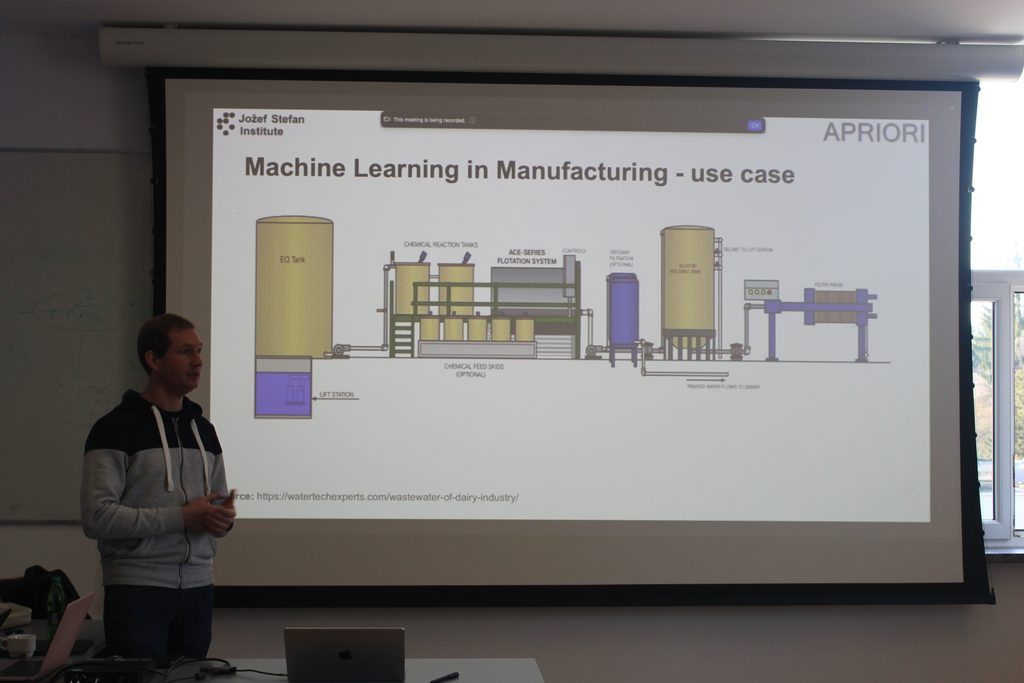
The first part of the training explained why ML methods are becoming more essential and popular in industrial environments. Participants learned how the use of ML methods helps factories to deal with massive data for tasks such as quality monitoring, predictive maintenance, demand forecasting and process optimisation.
To illustrate these ideas, a use case from the dairy production industry showed how ML models can analyse and predict outcomes. In this example, the process was simulated in four stages with the aim of estimating how changes in the input will impact the output, what mixture characteristics to expect based on the input materials, or how much wastewater we can convert into plastics. Questions from a real use case gave a concrete example on how insights from ML methods can help production processes. Furthermore, participants learned about different evaluation metrics for ML models. Lastly, this example showed that before starting any project, it is important to understand the domain, the data and what problem we are trying to solve.
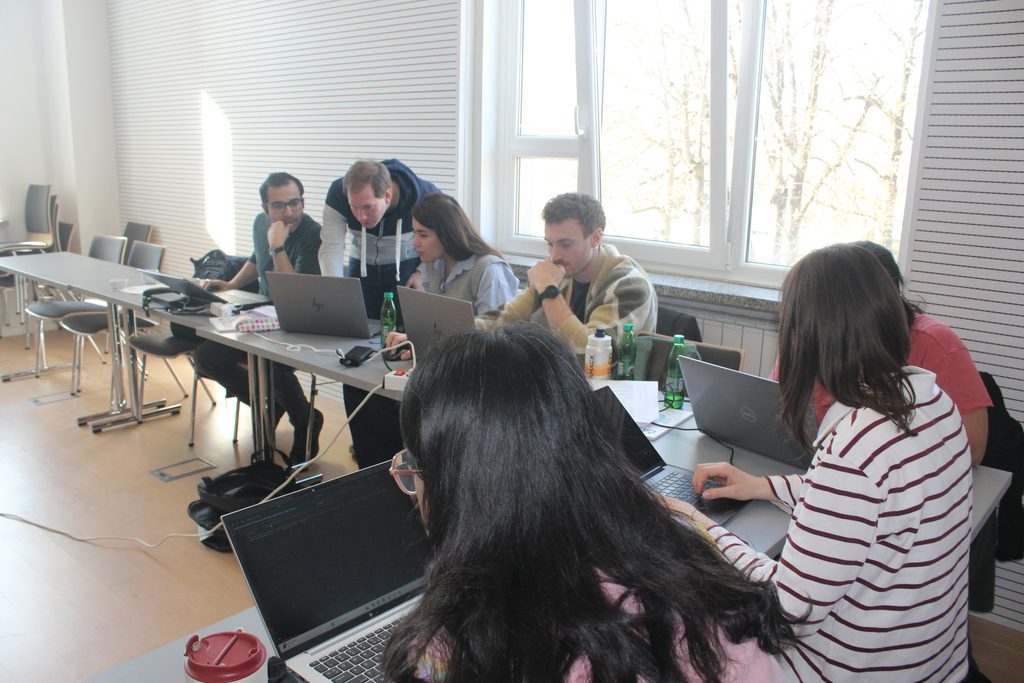
The second part of the session focused on practical application. Participants walked through the full workflow of setting up a machine learning project — from preparing data to training and evaluating models.
A case study on ice-cream manufacturing served as the basis for the hands-on tutorial. Using example datasets, participants experimented with different ML algorithms to:
-
Predict mixing viscosity, a key parameter in ice-cream production.
-
Estimate bio-plastics content from wastewater, demonstrating how ML can support sustainability-oriented processes.
This practical component gave DCs the opportunity to apply ML techniques directly and understand how different models behave when working with industrial data.